A night at the observatory — 9 October 2026
Eight deep-sky objects seen one night at the Monte Baldo observatory: clusters, nebulae and galaxies.
- Location
- Monte Baldo Observatory, Novezzina
An evening at the Monte Baldo Observatory, in Novezzina, with my friends from the Circolo Astrofili Veronesi. Here are the deep-sky objects I photographed that night, with a couple of lines on each. How they were taken I’ll add later.
-
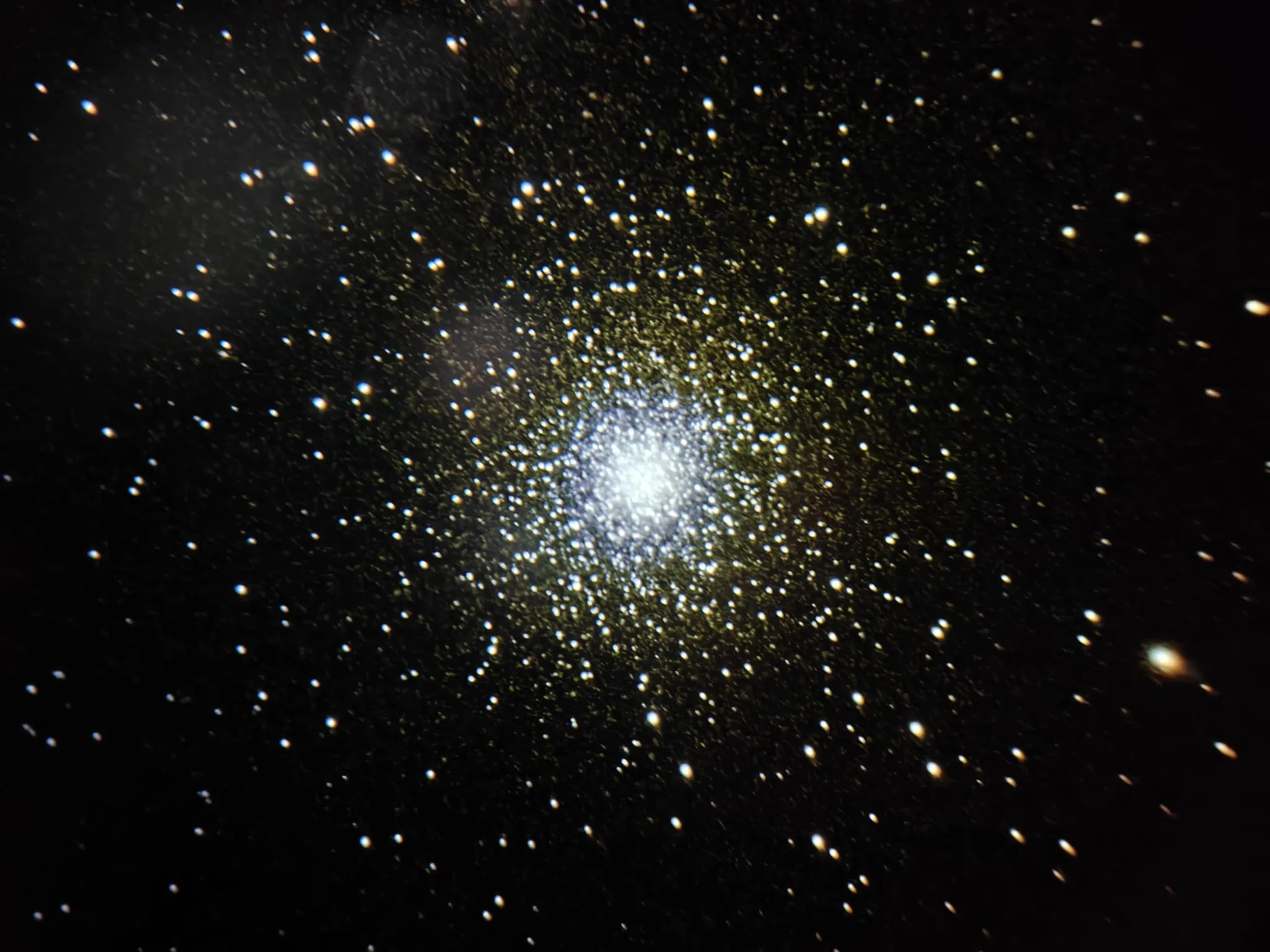
Great Globular Cluster in Hercules
M13Globular cluster
A ball of hundreds of thousands of very old stars, about 22,000 light-years away. At the centre it grows so dense that the stars melt into a single glow.
-
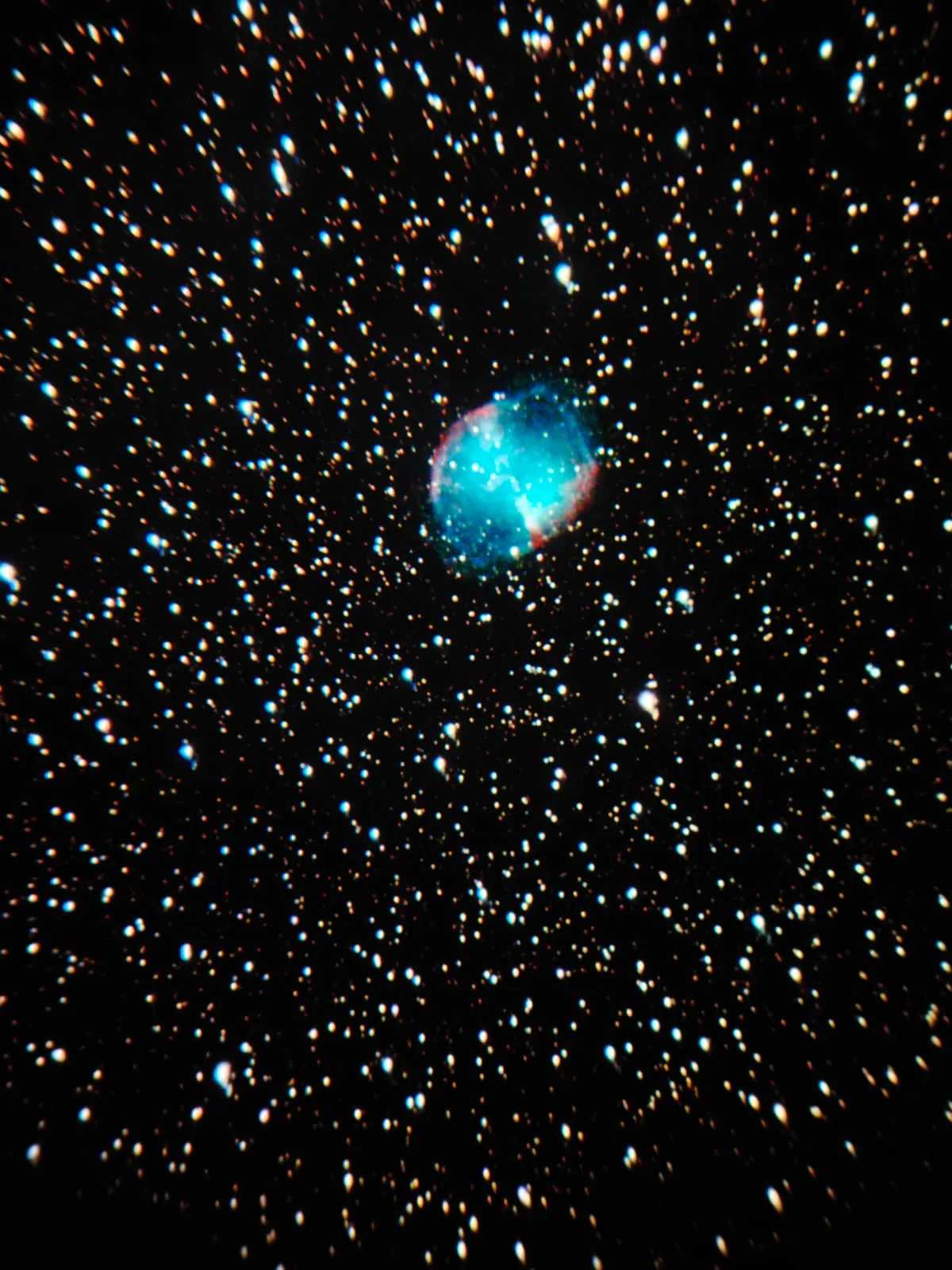
Dumbbell Nebula
M27Planetary nebula
In Vulpecula, the gas thrown off by a dying star: a blue-green shell with reddish edges, about 1,200 light-years away. One of the brightest planetary nebulae in the sky.
-
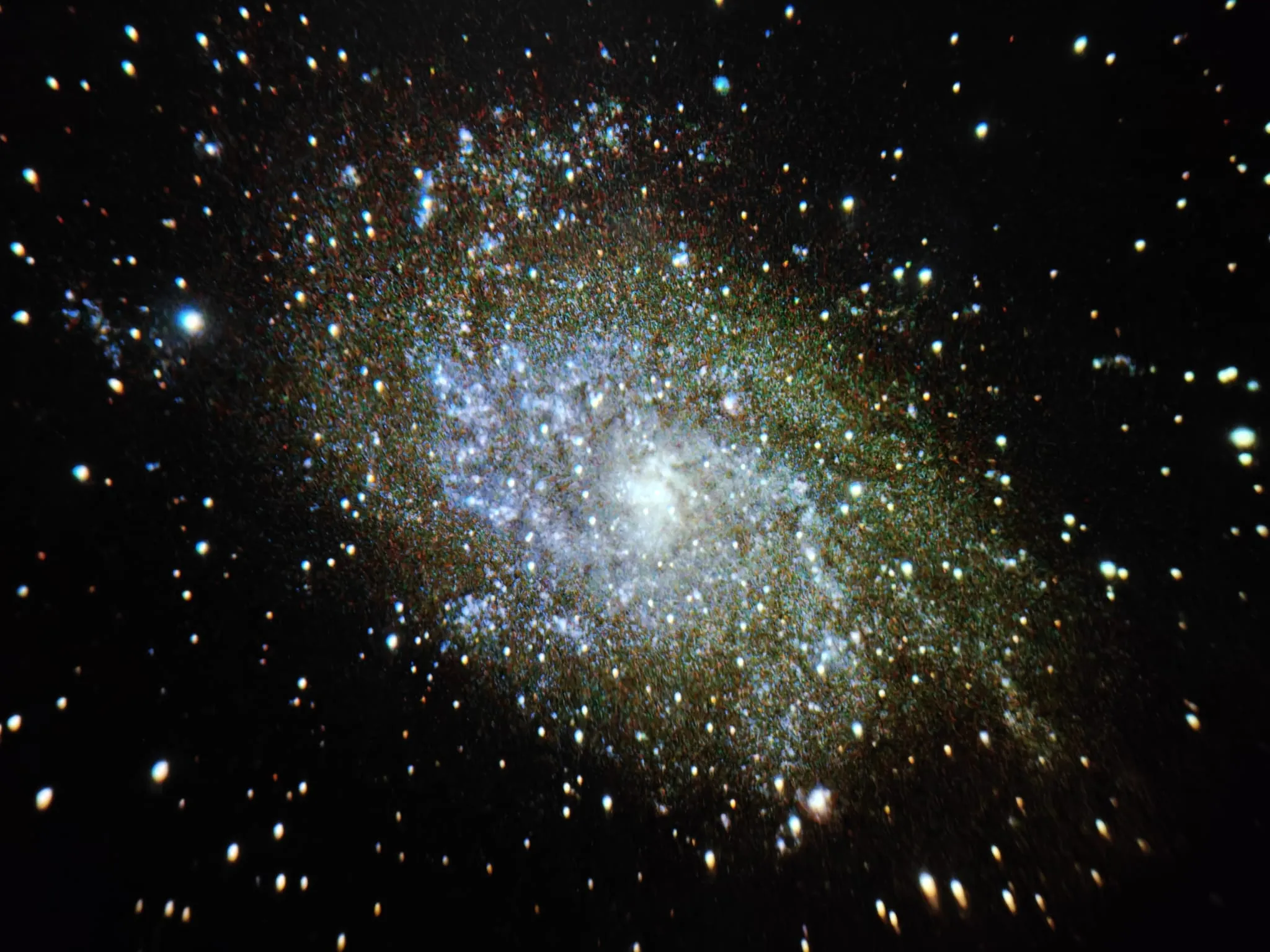
Triangulum Galaxy
M33Spiral galaxy
A spiral galaxy seen almost face-on, about 2.7 million light-years away: the third largest in the Local Group, after Andromeda and the Milky Way.
-
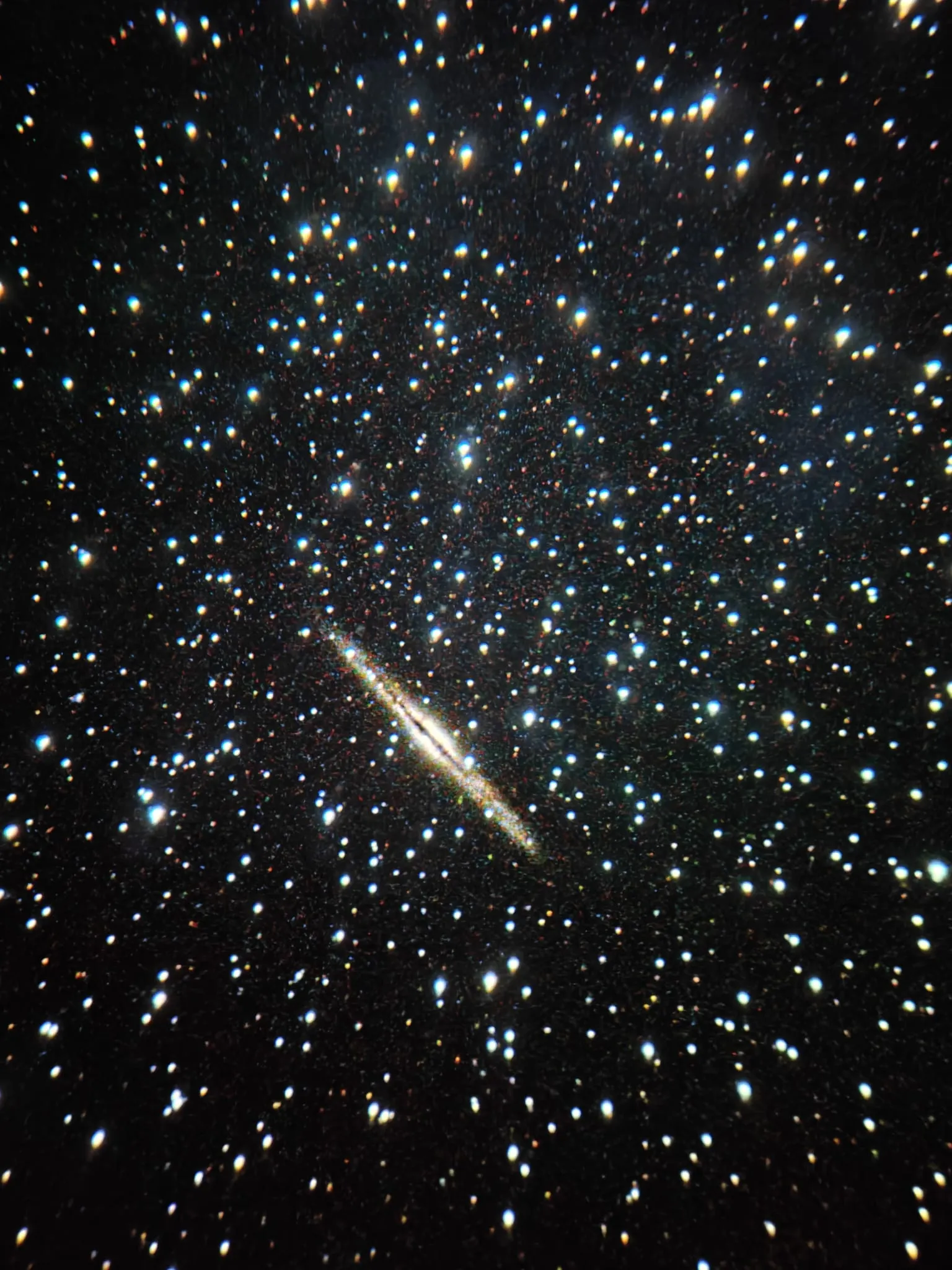
Edge-on galaxy in Andromeda
NGC 891Edge-on spiral galaxy
A galaxy seen exactly edge-on, tens of millions of light-years away: a thin spindle of light crossed by a dark line, the dust lying along its plane.
-
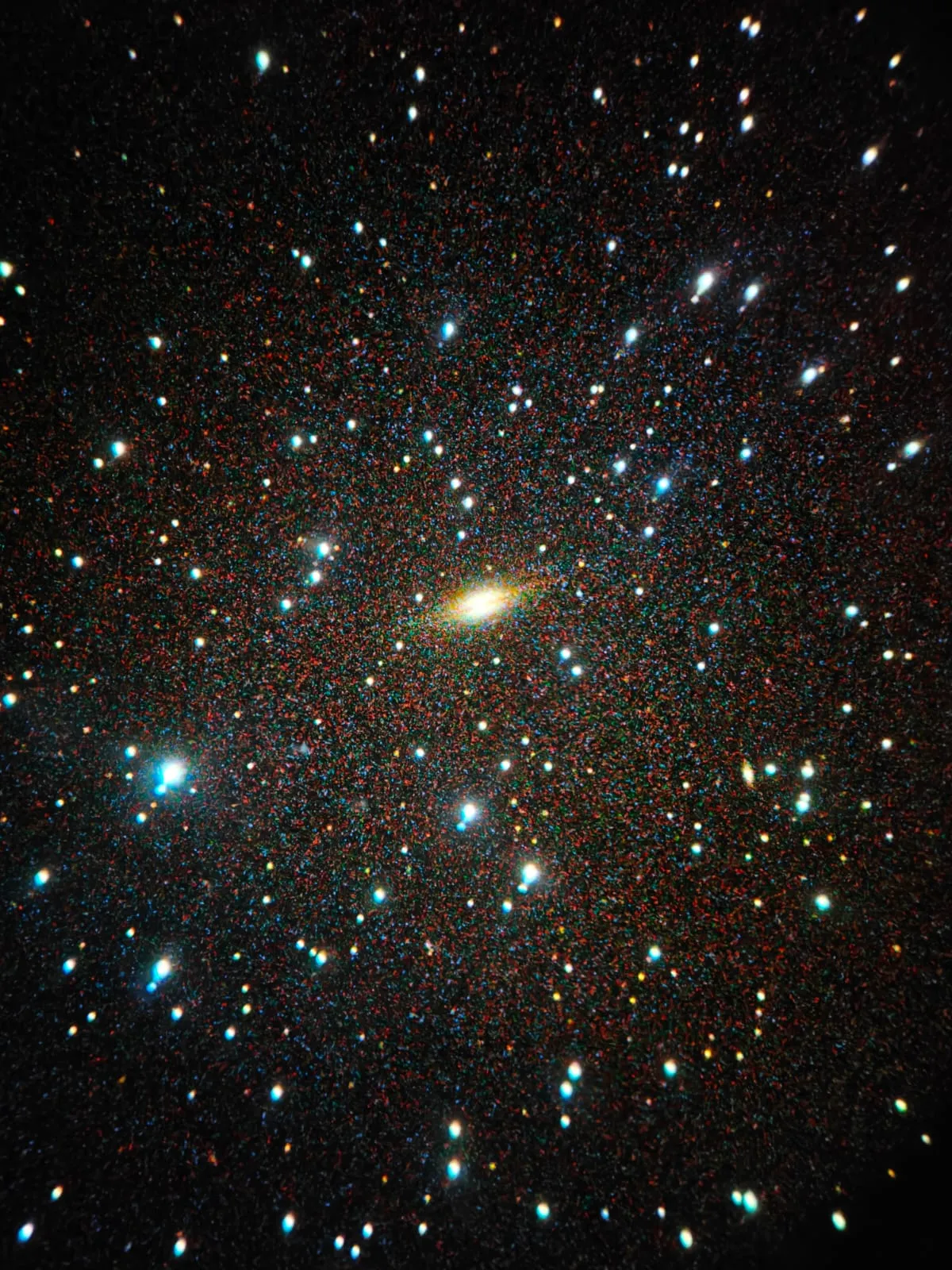
The "Little Sombrero"
NGC 7814Spiral galaxy
A galaxy in Pegasus, seen edge-on, with a big central bulge: a small-scale echo of the more famous Sombrero Galaxy, hence the nickname. It lies about 40 million light-years away.
-
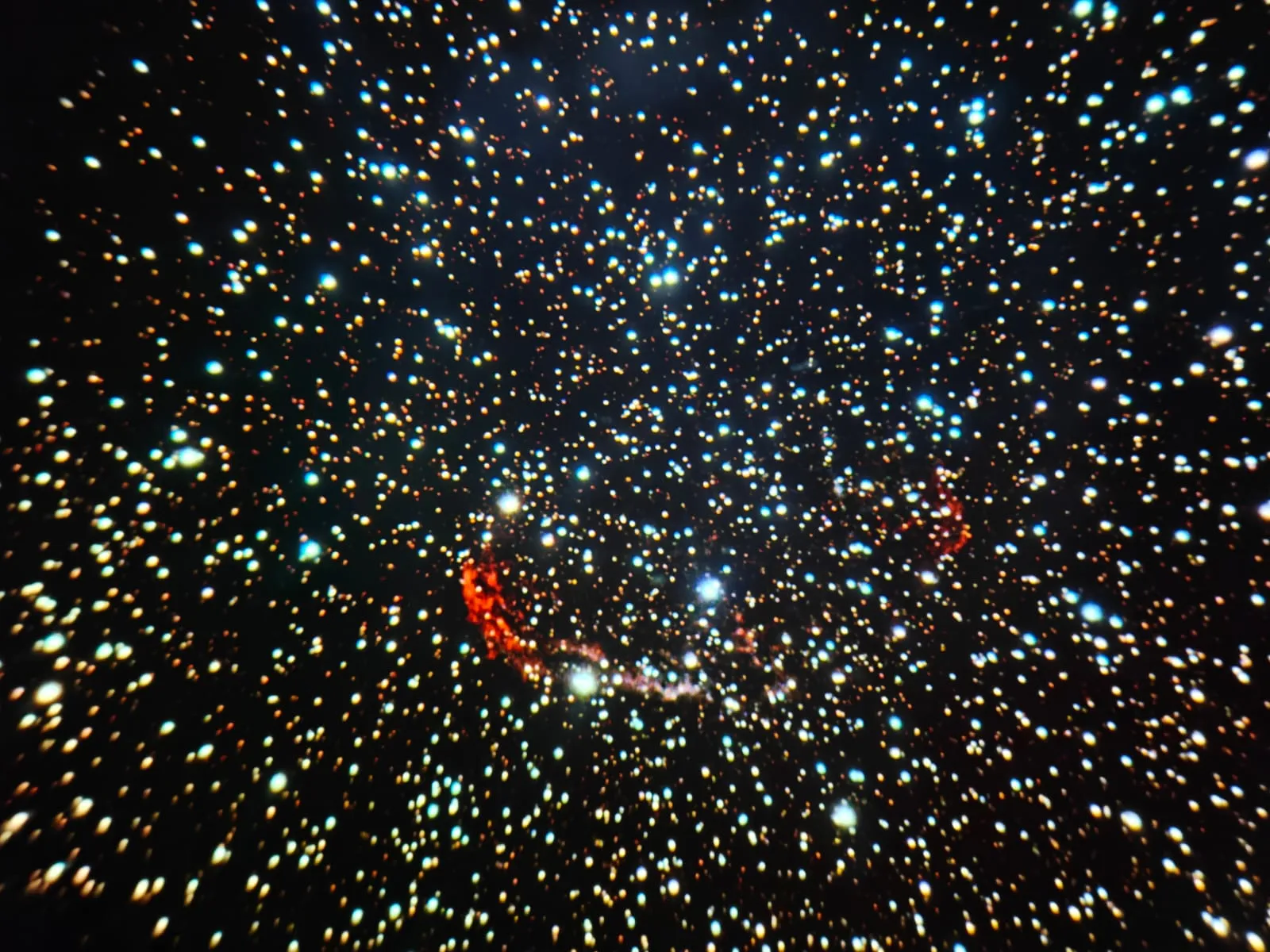
Crescent Nebula
NGC 6888Emission nebula
In Cygnus, a shell of gas sculpted by the strong wind of a massive Wolf-Rayet star: here you can see the red arcs, only hinted among the stars, about 5,000 light-years away.
-
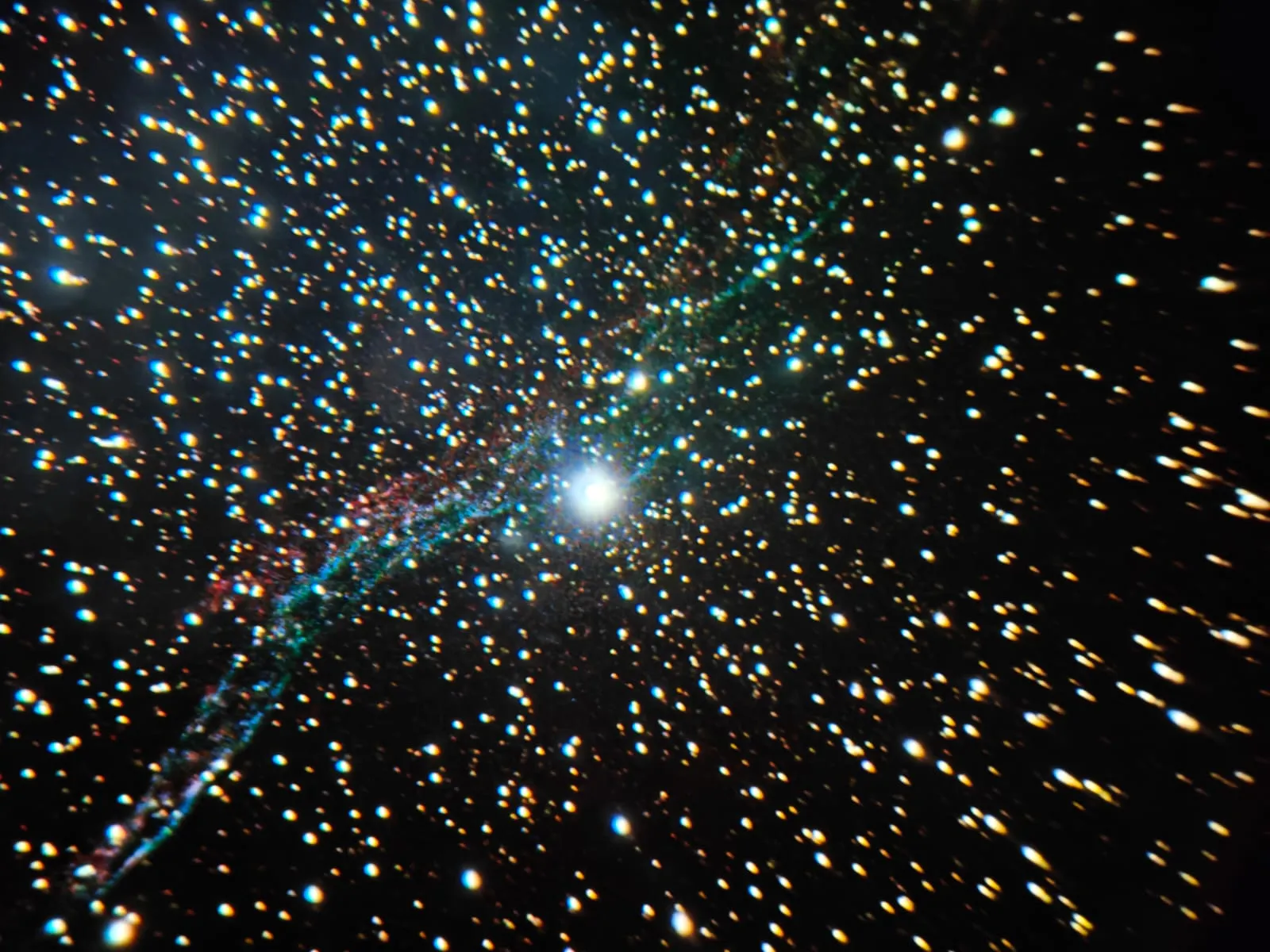
Veil Nebula — the Witch’s Broom
NGC 6960Supernova remnant
The western arm of the Veil, in Cygnus: thin filaments left by a star’s explosion, passing beside the bright star 52 Cygni. The whole Veil is about 2,400 light-years away.
-
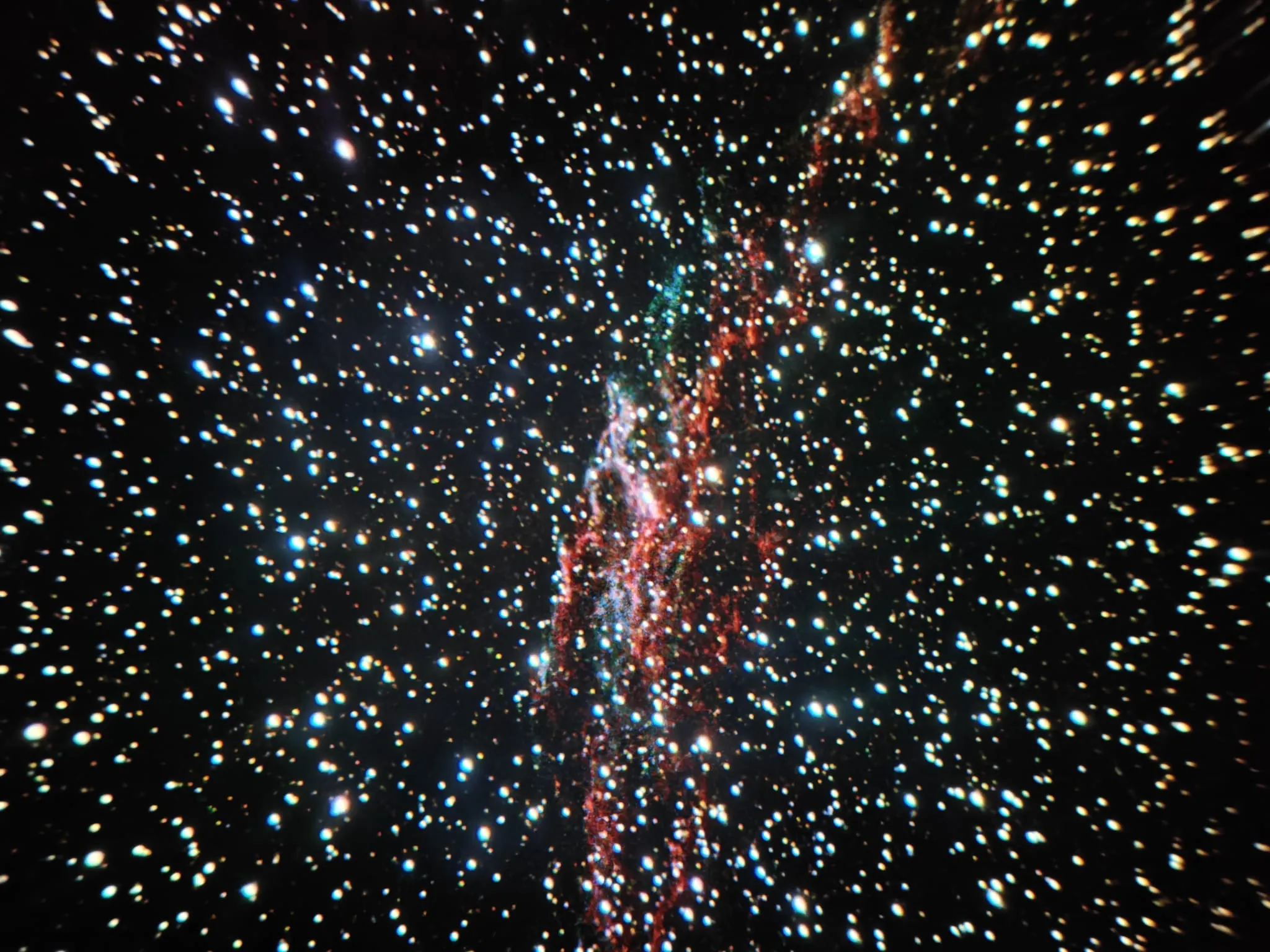
Veil Nebula — eastern arm
NGC 6992Supernova remnant
The other side of the same supernova remnant: the Veil’s brightest arc, with its red and green filaments. The star exploded between 10,000 and 20,000 years ago.
© 2026 Giulio Banterla. All the photos in this section were taken by me and may not be used, copied or redistributed without my permission.